House Flipping Investing Strategy for Real Estate Investors
The Buy and Hold strategy is a tried-and-true approach for building long-term wealth in real estate. Investors acquire properties with the goal of holding onto them for several years, earning passive income through rents, and benefiting from property appreciation. It’s the perfect strategy for those who want stability and gradual financial growth.
House flipping is a strategy where investors purchase distressed properties, renovate them to increase value, and then sell them for a profit. It’s a short-term investment strategy focused on quick returns, as opposed to long-term holding.
The goal is to buy low, renovate wisely, and sell high, capitalizing on market trends and property improvements.
Why House Flipping
Why Investors Use the House Flipping Strategy
House flipping offers quick profits by buying, renovating, and selling properties. It capitalizes on market trends and creates value through renovations for fast cash flow and strong returns.
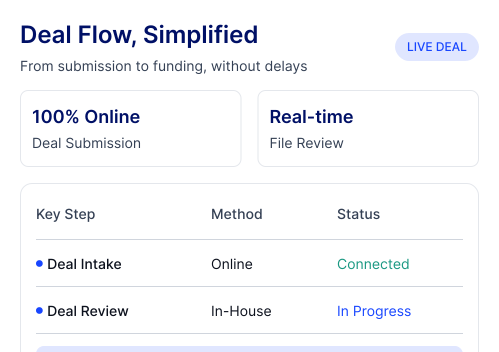
Submit your deal, upload documents, and track progress in one place built for active investors who need speed and clarity.
See what comes next
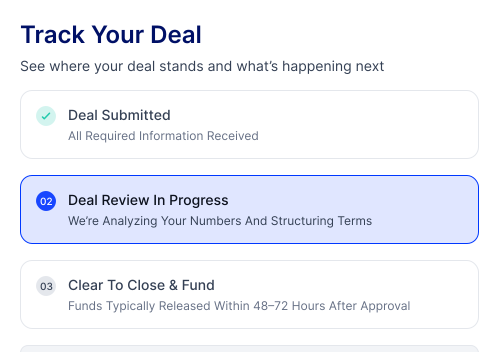
Stay updated as your deal moves forward — from review to approval to funding.
Built for real deals
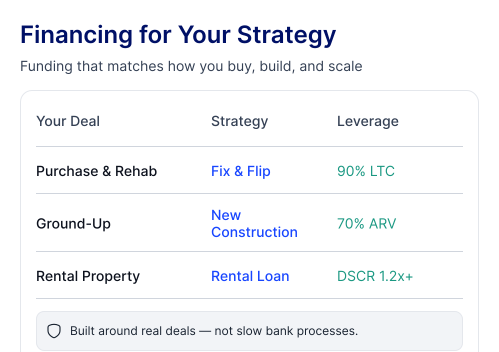
Whether you’re flipping, refinancing, or building a rental portfolio, Brickline adapts to your strategy.
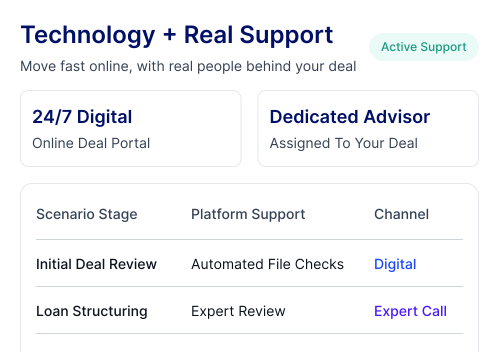
Real support when it matters
You get the speed of an online platform with a team that helps move your deal forward when needed.
Best Fit Loan Options
The Loan Type That Often Matter Most In A House Flipping Deal
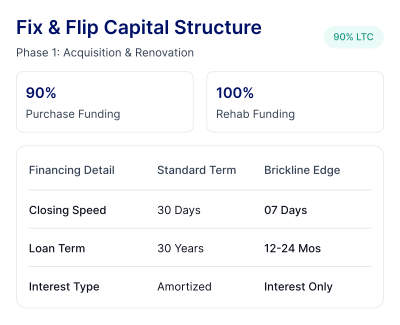
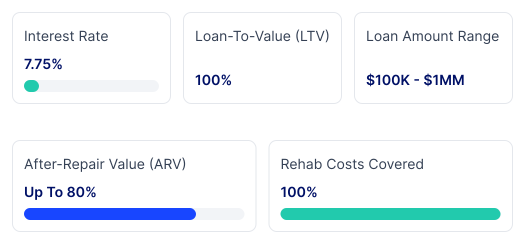
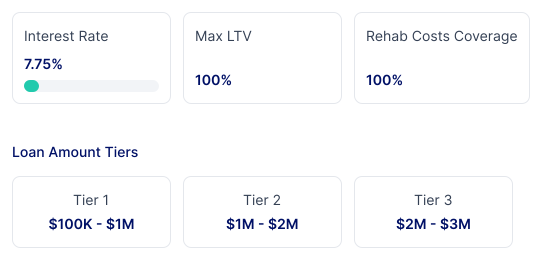
House flipping needs financing for acquisition and renovation. The right loans help investors buy, renovate, and sell properties for profit, unlocking real estate opportunities.
After purchasing a property, the next crucial step in house flipping is the renovation process. Fix-and-flip loans are designed to cover the costs of repairs, upgrades, and remodeling. These loans ensure that investors can complete renovations quickly and within budget, with the goal of selling the property for a significant profit. The faster the renovation process, the quicker the return on investment.
After purchasing a property, the next crucial step in house flipping is the renovation process. Fix-and-flip loans are designed to cover the costs of repairs, upgrades, and remodeling. These loans ensure that investors can complete renovations quickly and within budget, with the goal of selling the property for a significant profit. The faster the renovation process, the quicker the return on investment. These loans are short-term and help flippers capitalize on market trends by enabling them to sell as soon as the property is ready.
House flipping involves purchasing distressed properties, renovating them to increase value, and selling for a profit, typically in a short time frame to maximize returns.
01
Property Acquisition
Secure a distressed property at a low cost with high potential for renovation and resale.
02
Property Renovation
Renovate the property with upgrades that maximize value and appeal to buyers.
03
Marketing & Listing
Market the renovated property, list it for sale, and highlight its improved features to attract buyers.
04
Property Sale
Sell the property for a higher price, ensuring profit exceeds acquisition and renovation costs.
05
Profit Realization
Realize the profit from the sale and reinvest the earnings into the next property or flip.
Speed: With short-term deals, house flipping allows investors to realize quick returns, typically within 6 months.
Maximized Profits: Renovating properties in high-demand areas provides the opportunity to sell for a substantial profit, maximizing returns on investment.
Market Capitalization: House flippers can take advantage of rising property values and market trends to ensure that they sell at the right time for maximum profit.
Deal Fit
What Matters Most in a House Flipping Deal
What to Look For in a Profitable House Flip:
Property condition
Ensure the property is structurally sound and requires only minor renovations.
Renovation potential
Focus on upgrades with high ROI, like kitchens, bathrooms, and curb appeal.
Market demand
Verify that there's demand for renovated properties in the local market.
Resale value
Ensure the resale value after renovations exceeds total investment costs.
Common Mistakes to Avoid
Not budgeting for unexpected repairs can lead to financial strain.
Failing to assess market demand can lead to overpaying or unsold properties.
Expensive upgrades with low returns can reduce profits.
Misjudging renovation time can cause delays and higher holding costs.
Tools + Markets
Helpful Tools and Top Markets for House Flipping Investors
Certain markets present higher potential for house flipping, with rising property values and strong demand for renovated homes. These markets offer opportunities for investors to maximize their profits through strategic renovations.
Learn more about the financing options available for house flipping investments. These loans help you acquire, renovate, and sell properties for profit. Find answers to common questions about the loan process, eligibility, and terms tailored for house flipping strategies.
House flipping is a real estate investment strategy that involves purchasing a property, improving it through renovations or repairs, and reselling it for a potential profit. Investors typically focus on properties with value-add opportunities that can be enhanced and sold within a relatively short timeframe.
How does House Flipping generate profit?
Profit is typically generated by increasing a property’s value through strategic improvements and then selling it for more than the combined costs of acquisition, renovation, financing, and holding expenses. Successful projects depend on careful budgeting, market analysis, and execution.
What are the benefits of House Flipping?
House flipping can offer the potential for shorter investment timelines, quicker capital recycling, hands-on value creation, and opportunities to generate profits without holding a property for long-term rental income. It can also help investors build experience and grow their real estate portfolios.
How do I finance a House Flipping project?
Many investors use fix-and-flip loans, bridge loans, or other short-term financing solutions to fund property acquisitions and renovation costs. The right financing structure depends on the project’s budget, timeline, property condition, and exit strategy.
How long does a House Flipping project take?
Project timelines vary based on the scope of renovations, market conditions, permitting requirements, and resale strategy. Some projects may be completed in a few months, while larger or more complex renovations can take longer.
What are the risks of House Flipping?
Common risks include renovation costs exceeding expectations, project delays, market fluctuations, financing expenses, contractor issues, and challenges selling the property at the anticipated price. Thorough due diligence and planning can help reduce these risks.
Can I refinance my House Flipping loan?
Yes. In some situations, investors choose to refinance rather than sell, especially if they decide to convert the property into a rental investment. Refinancing options may depend on the property’s condition, value, rental income potential, and overall financing objectives.
Ready to Move with Your House Flipping Strategy?
Take the next step in flipping houses for profit. Secure financing that aligns with your house flipping strategy and start renovating and selling properties for fast returns. Let’s get started today and maximize your investment potential.