Fix & Flip Loan Requirements
What you need to qualify for a fix & flip loan
- Investor-focused
- Renovation funds available
- Built for speed
Fix & flip loan
requirements at a glance
Borrower profile
Your experience, entity details, credit profile, and ability to contribute required funds.
Property details
The address, purchase price, property condition, estimated value, and investment potential.
Renovation plan
A clear scope of work, budget, timeline, and expected after-repair value.
Exit strategy
How you plan to repay the loan, usually through resale, refinance, or rental conversion.
Required documents
Purchase agreement, project budget, scope of work, insurance, and business documents.
Borrower requirements
Real estate investment experience
Previous fix-and-flip or renovation experience can help strengthen your application, especially when the project has a larger rehab budget or tighter timeline.
Business entity information
Many investment property loans are made to an LLC or business entity, so you may need to provide entity formation documents and ownership details.
Credit and financial profile
Your credit history, liquidity, and available cash reserves may be reviewed to confirm you can manage closing costs, holding costs, and unexpected project expenses.
Available cash to close
Even when financing covers a large portion of the purchase and renovation budget, investors should be prepared for down payment, closing costs, insurance, taxes, and reserves.
Property requirements
Fix-and-flip financing is based heavily on the property, its
current condition, and its expected value after renovation.
Eligible property type
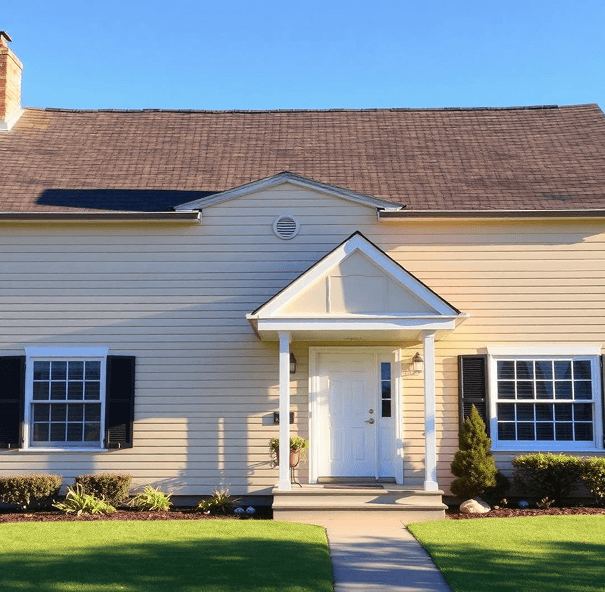
Fix-and-flip loans are typically used for residential properties like single-family homes, townhomes, condos, and small multi-units.
Clear purchase details
Lenders usually need the purchase price, property address, seller agreement, closing timeline, and basic property condition information.
After-repair value estimate
ARV helps estimate what the property may be worth after renovation and is often used to determine loan structure and leverage.
Market and comparable sales
Comparable renovated properties in the same area help support the expected resale value and overall deal viability.
Renovation plan requirements
clear renovation plan helps lenders understand how funds will be
used and how the project will reach its expected resale value.
Scope of work
Available funds for closing costs, holding costs, and unexpected expenses.
Project budget
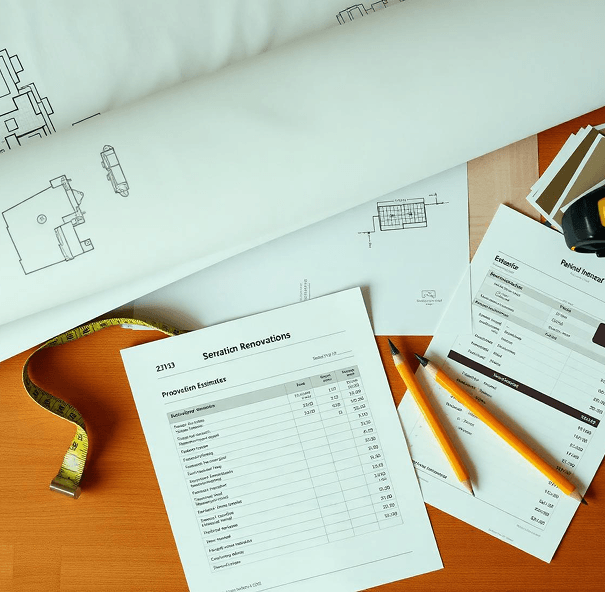
Break down estimated costs by category so the lender can understand how much rehab funding is needed.
Timeline
Include an expected renovation timeline and major project milestones.
Contractor or project plan
Depending on the project size, lenders may ask for contractor estimates, permits, or additional project documentation.
Fix & flip loan
requirements at a glance
Purchase price
The cost to acquire the property.
Renovation budget
Estimated cost to complete improvements.
After-repair value
Expected market value after the renovation is complete.
Loan-to-cost
How much of the purchase and renovation cost may be financed.
Loan-to-value
How the loan amount compares to the property's value.
Cash reserves
Available funds for closing costs, holding costs, and unexpected expenses.
Documents to prepare
before applying
- Scope of work
- Project budget
- Renovation timeline
- Business entity documents
- Purchase agreement or contract
- Contractor estimates, if applicable
- Borrower identification information
- Property address and basic property details
- Proof of insurance or builder's risk insurance
What can affect your loan approval?
What do I need to apply for a fix-and-flip loan?
Do I need previous flipping experience?
Why is ARV important?
Can rehab costs be included in the loan?
How can I prepare before applying?
How Brickline helps investors prepare
Brickline helps real estate investors understand what lenders review, what documents may be needed, and how to structure a stronger fix-and-flip financing request.
Deal review
We help clarify the property, budget, and financing structure before you move forward.
Requirement guidance
Know what information is needed before your application gets stuck.
Investor-focused process
Our process is built around real estate investment timelines, not traditional homebuyer lending.
Next-step clarity
Understand what happens after submission, from review to closing preparation.

Fix & flip loan requirement FAQs
What do I need to apply for a fix-and-flip loan?
Do I need previous flipping experience?
Why is ARV important?
Can rehab costs be included in the loan?
How can I prepare before applying?
Ready to finance your next fix-and-flip project?