May we use cookies to track your activities? We take your privacy very seriously.
Brickline provides bridge loans in Lansing, offering real estate investors temporary financing solutions for eligible investment properties. These loans are designed for situations requiring a short-term capital injection.
Investors often use bridge financing for acquisitions, refinances, cash-out needs, or to reposition transitional properties, with a clear plan for a sale or permanent refinance exit.
Lansing Financing
Bridge loans can be a strategic tool for Lansing real estate investors when a property or deal requires temporary financing that traditional lenders might not offer. This is common for properties that are not yet stabilized or deals needing a quick close.
The effectiveness of bridge financing depends on the property’s current state, the investor’s capital needs, and the defined exit strategy, whether it’s a sale, refinance, or long-term hold.
Brickline evaluates each bridge loan request based on the property, borrower profile, program guidelines, and the investor’s plan to ensure it aligns with the appropriate short-term financing solution.
Loan Programs
Different investment strategies may require different loan structures. Brickline offers financing across several common real estate investor scenarios.
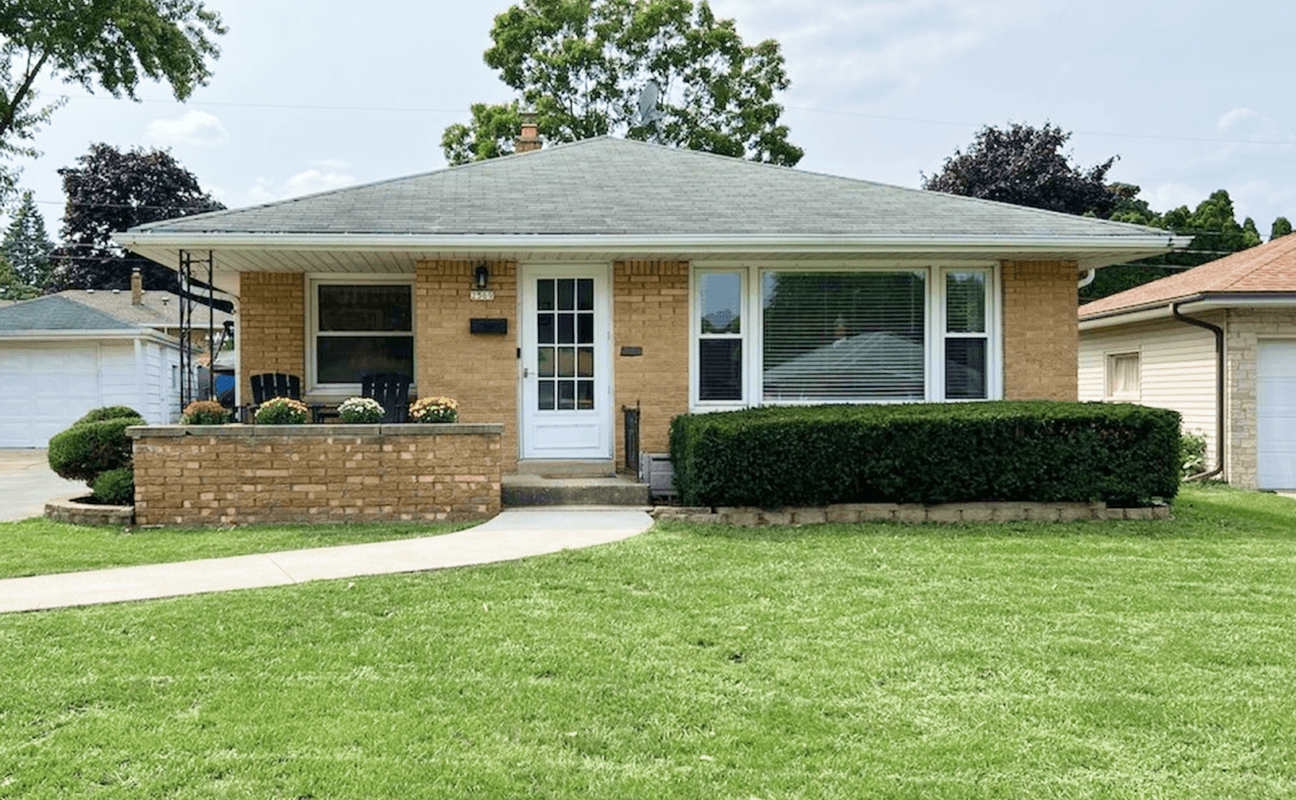
Financing for eligible property purchases and renovation projects with a resale or refinance strategy.
LTC: 90% of purchase + 100% of Rehab
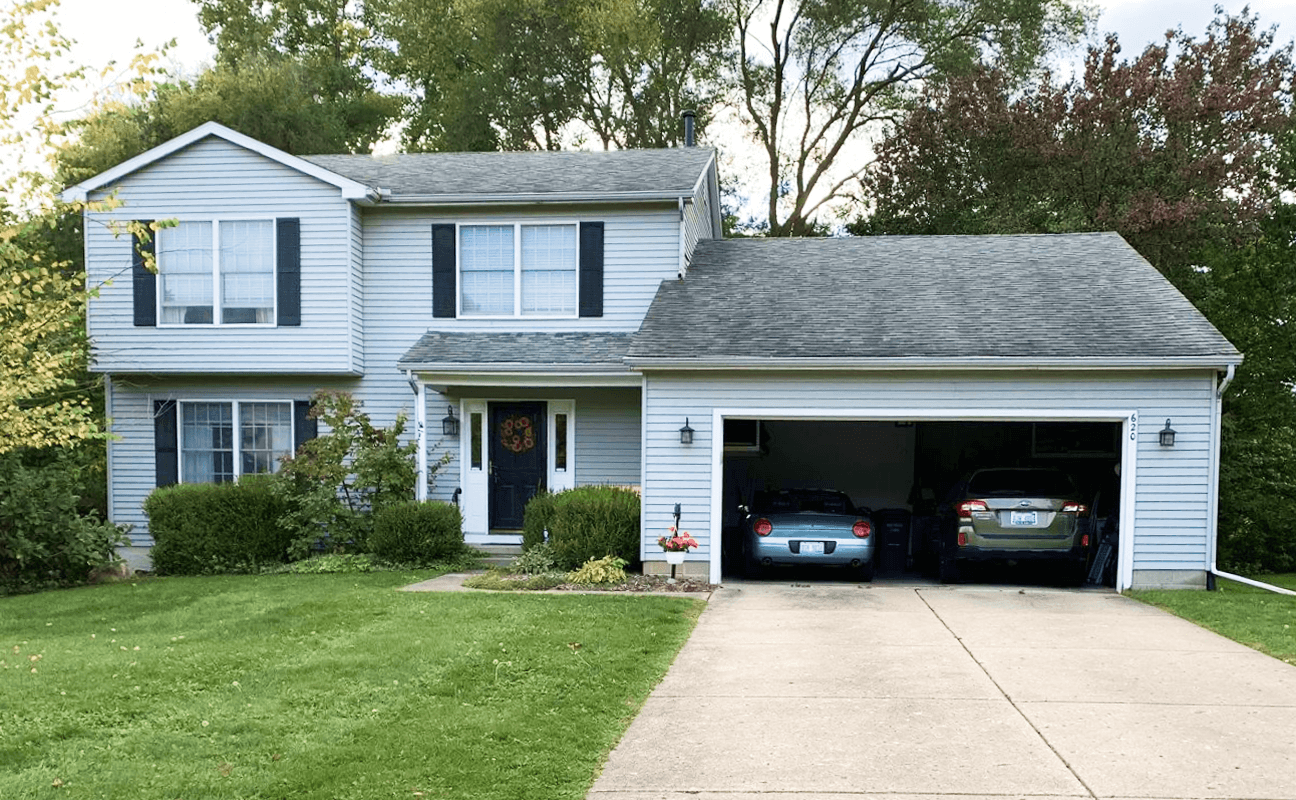
Longer-term rental financing where property cash flow plays a central role in qualification.
LTV: 90% of purchase + 100% of Rehab
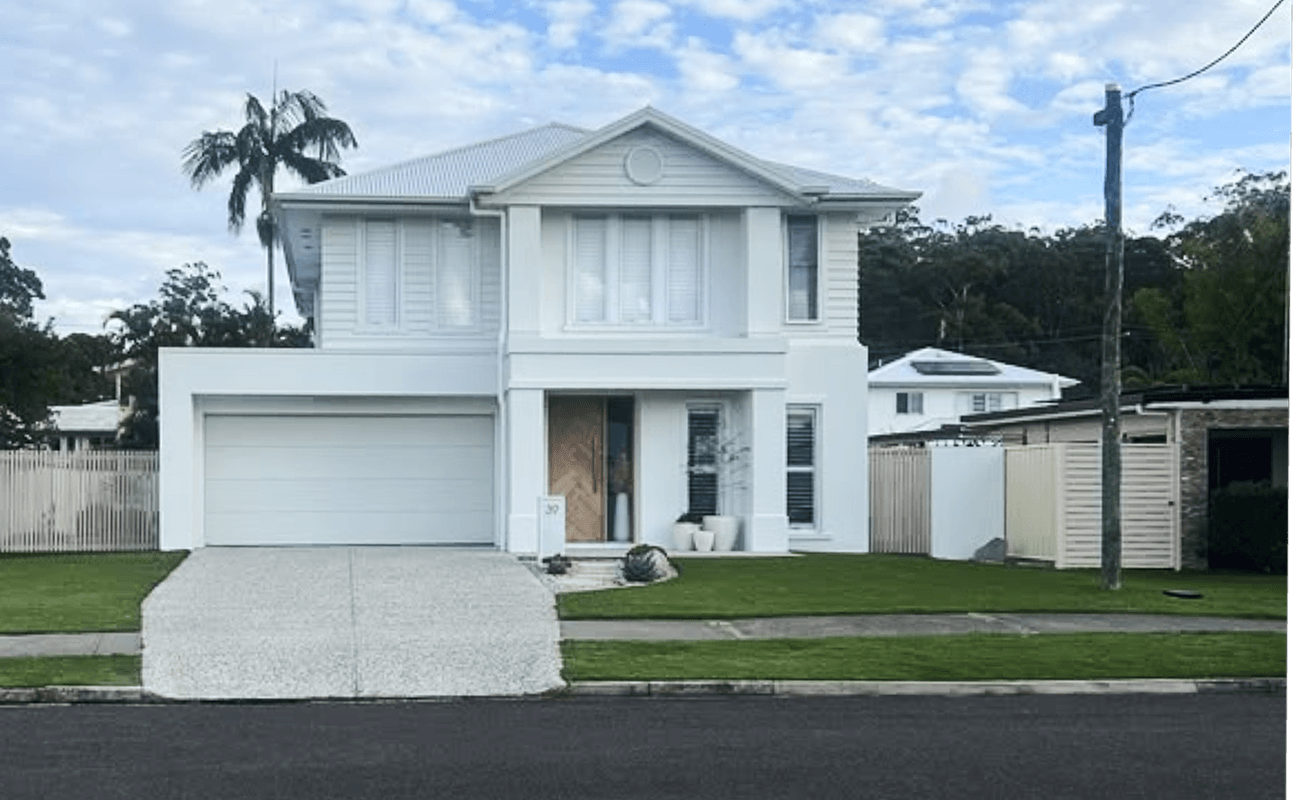
Short-term, asset-backed financing for time-sensitive acquisitions and value-add investment properties.
LTV: 90% of purchase + 100% of Rehab
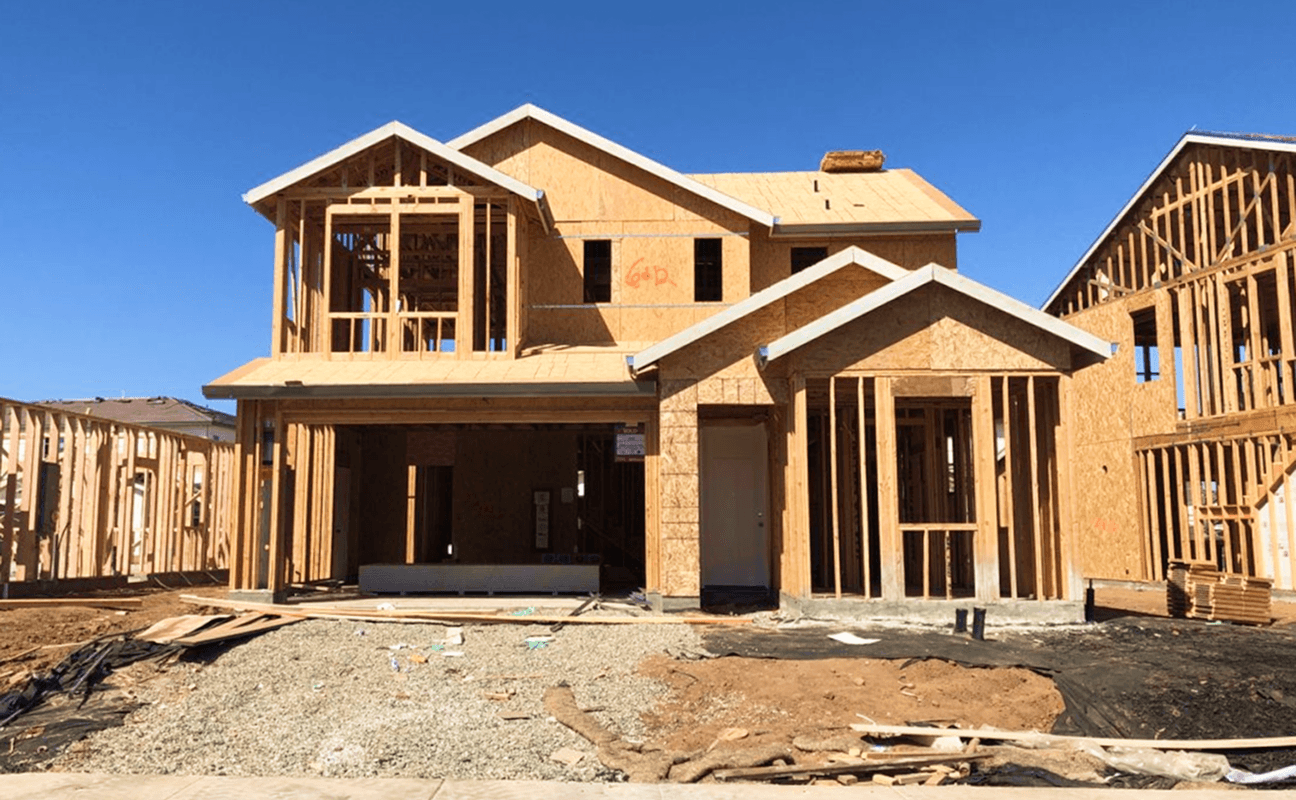
Financing for eligible ground-up investment projects built around the construction plan and project timeline.
LTV: 90% of purchase + 100% of Rehab
Common Uses
Use bridge financing to purchase an investment property in Lansing that requires improvements or stabilization before it qualifies for permanent financing.
Refinance an existing investment property to gain time for stabilization, lease-up, or minor renovations, preparing it for a long-term hold or sale.
Access equity from an existing investment property through a bridge loan to fund another acquisition or cover project costs, with a clear repayment plan.
Utilize a bridge loan as a temporary solution while securing more permanent, long-term financing for a stabilized investment property.
Lansing Deals Markets
For Lansing real estate investors, the decision to use a bridge loan is driven by the specific needs of the investment property, its current condition, the required capital, and the investor’s timeline for achieving their exit strategy.
Bridge loans are particularly useful for properties that are not yet generating stable income, require significant renovation, or need a quick closing to secure a deal. They provide the necessary capital to transition the property to a more stable state.
Online Process
Start with the property and financing request, provide the required information as the file progresses, and keep a clearer view of what is needed at each stage.
deal is moving forward. The result is a process that feels cleaner, more transparent, and easier to move through from first quote to closing.
Share the property, financing request, and investment strategy.
Provide the information and documentation needed for review.
See outstanding steps and respond as the financing request progresses.
Get investor-focused support
How It Works

Provide the property, financing need, and investment plan.
Brickline reviews the request against the relevant program.
Review the proposed financing structure and next requirements.
Provide the documentation and information required to move the file forward.
Once approved and ready, complete the remaining steps toward closing and funding.
Learn how bridge loans work, their common uses for Lansing investment properties, what Brickline reviews, and key considerations for investors.
A bridge loan in Lansing is a type of temporary, short-term financing for real estate investors. It’s designed to ‘bridge’ the gap between current financing needs and a more permanent solution, often used for investment properties that are not yet stabilized.
Lansing investors might consider a bridge loan for time-sensitive acquisitions, to refinance an existing property that needs repositioning, to pull cash out for another investment, or to stabilize a property before securing long-term financing.
Yes, bridge loans can be structured to include funds for property improvements or renovations that are necessary to stabilize the asset. This helps increase the property’s value and marketability for its eventual sale or refinance.
Brickline evaluates the investment property itself, the borrower’s experience and financial profile, the proposed financing structure, and the investor’s clear and viable exit strategy for the bridge loan, such as a sale or permanent refinance.
Bridge loans are typically used for non-owner-occupied investment properties, including residential (1-4 units), multi-family, and commercial properties that are transitional or require a short-term capital solution.
Bridge loans are generally repaid through the sale of the investment property, or by refinancing into a longer-term loan, such as a DSCR rental loan, once the property has been stabilized or repositioned.
While both are short-term, asset-backed loans, bridge loans often have slightly longer terms and may be used for properties closer to stabilization, whereas hard money loans are typically for more distressed properties or very rapid acquisitions.
Why Brickline
Brickline focuses on business-purpose real estate financing rather than consumer homebuyer mortgages.
The property, financing structure, and investment strategy stay central to the process.
Digital-first process
Clear next steps
Investor Resources
Explore Brickline guides, calculators, and resources covering loan structures, deal metrics, qualification, and common investor financing questions.
deal moves forward.


Tell Brickline about the property, financing need, and investment plan.
Start online to explore the next step for your financing request.